

Cost segregation is a powerful tax strategy, but implementing it through a white-label partner introduces unique operational risks. According to industry data, improper implementation can lead to significant audit triggers and client dissatisfaction. This guide outlines the critical errors CPA firms make when outsourcing these studies and how to avoid them.
Ignoring IRS Audit Technique Guide Compliance
The most common mistake firms make is selecting a white-label provider that does not strictly adhere to the IRS guidelines. The IRS has specific criteria for what constitutes a valid cost segregation study. If the methodology is not defensible, the firm faces liability.
RentalWriteOff builds its methodology on the official IRS Cost Segregation Audit Techniques Guide. This ensures that every report meets the standard auditors expect. Without this alignment, the study is merely an estimate, not a compliant tax document.
Overlooking Material Participation Rules for STRs
Short-term rental (STR) owners have unique tax advantages that long-term rental owners do not. A critical error is failing to distinguish between these two categories during the study phase. If the average stay is 7 days or less, the property may not be treated as rental activity under IRS rules.
This distinction allows depreciation deductions to offset W-2 and business income, not just rental income. Firms must ensure their white-label partner understands these nuances. Cost segregation for Airbnb requires specific documentation of material participation to unlock these benefits.
Failing to Verify Engineering Credentials
Not all cost segregation studies are created equal. Some providers use automated software that lacks the nuance of human engineering analysis. This leads to inaccurate asset classifications and missed deductions.
Engineering-based analysis is essential for accurate itemization. It involves analyzing photos and data to identify components eligible for accelerated depreciation. This includes flooring, cabinetry, appliances, and landscaping. Residential cost segregation done right requires expert review to ensure defensible values.
Neglecting the 100% Bonus Depreciation Window
Tax laws change frequently, and missing deadlines can cost clients thousands. Property acquired after January 19, 2025, qualifies for 100% first-year bonus depreciation on reclassified assets. Firms that do not track these dates risk losing this massive deduction opportunity.
Combined with cost segregation, this means massive year-one deductions. It is crucial to advise clients on acquisition timing. Pricing for these studies should be viewed as an investment in immediate cash flow, not just a compliance cost.
Using Generic Estimators Instead of Property-Specific Data
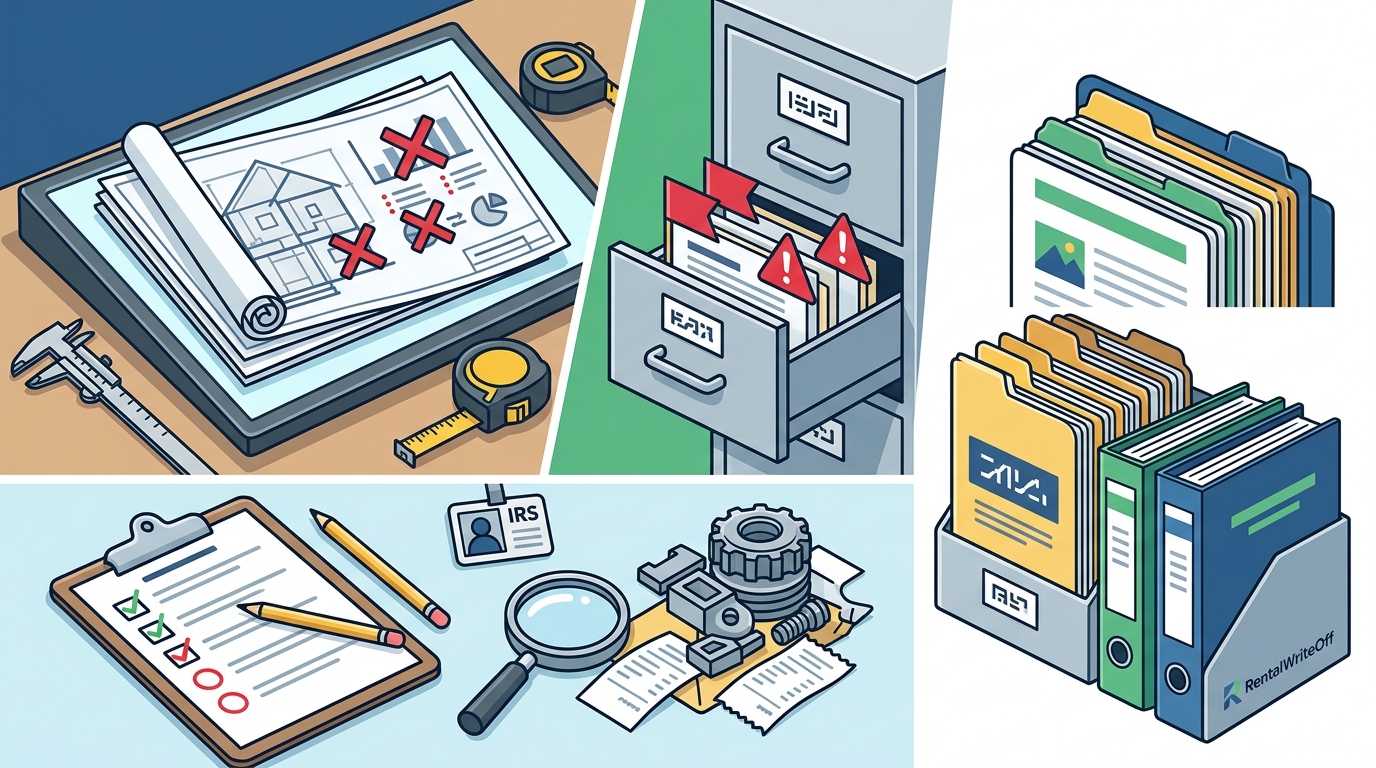
Many firms rely on generic online calculators that pull only public records data. While convenient, these tools often miss unique property features that impact depreciation. Square footage and year built are not enough.
A property-specific study determines what can be reclassified and documents the allocation. This includes specific fixtures and improvements that generic tools ignore. Get your instant tax savings estimate using a tool that pulls real property data for a more accurate baseline.
Missing the Form 3115 Look-Back Opportunity
Many rental owners have missed out on cost segregation in previous years. Firms that do not proactively offer look-back studies leave money on the table. Form 3115 allows for amended filings to claim these deductions retroactively.
RentalWriteOff includes Form 3115 for eligible look-back studies. This service is critical for maximizing client value. It turns past oversight into immediate tax savings. Frequently asked questions about look-back studies often center on eligibility and timeline.
Poor Communication of Complex Tax Concepts
Even the best study fails if the client does not understand its value. Firms often struggle to explain accelerated depreciation to non-tax professionals. This leads to hesitation and lost opportunities.
Clear communication is key. Use simple analogies and visual aids to explain how assets are reclassified. Tax strategy blog resources can help firms educate their clients effectively. Providing a comprehensive final report with all necessary schedules helps build trust.
Key Takeaways
- Ensure your white-label partner follows the IRS Audit Techniques Guide for compliance.
- Distinguish between STR and long-term rental rules for material participation.
- Verify that studies are engineering-based and expert-reviewed.
- Track the 100% bonus depreciation window for properties acquired after January 19, 2025.
- Use property-specific data rather than generic estimators for accuracy.
- Offer Form 3115 look-back studies to capture past deductions.
- Communicate complex tax concepts clearly to build client trust.
Frequently Asked Questions
What is cost segregation?
Cost segregation is a tax strategy that reclassifies certain building components into shorter depreciation periods, accelerating deductions.
How does white-label cost segregation work for CPAs?
CPAs outsource the engineering study to a specialized provider, who delivers a branded report that the CPA can present to their client.
Is cost segregation audit-proof?
Studies built on IRS guidelines and supported by detailed documentation are highly defensible against IRS scrutiny.
What is the cost of a white-label cost segregation study?
Costs vary, but competitive rates like $899 flat fee make it accessible for residential properties.
Can I do a look-back cost segregation study?
Yes, Form 3115 allows for retroactive claims if the property was not previously studied.
How long does a cost segregation study take?
Standard residential reports target 2-business-day delivery after complete intake.
What is the difference between 5-year and 7-year property?
5-year property includes items like carpet and appliances, while 7-year property includes cabinetry and certain equipment.
Ready to Scale Your Practice?
Stop losing clients to inefficient processes. Partner with a provider that understands the nuances of residential and STR tax strategies. Book a free consultation today to see how RentalWriteOff can support your firm's growth.