

Cost segregation is a powerful tax strategy that accelerates depreciation deductions, but reselling these reports as a white-label service introduces significant operational risks. According to the Internal Revenue Service, improper classification of property components can lead to substantial audit adjustments and back taxes. Professionals who fail to understand the technical nuances of the IRS guidelines often deliver reports that lack the necessary rigor to withstand scrutiny. This guide outlines the critical errors to avoid when integrating white-label cost segregation into your advisory practice.
Understanding the White-Label Model
White-label cost segregation allows tax professionals, CPAs, and real estate investors to offer specialized depreciation services under their own brand. White-label cost segregation is a service arrangement where a third-party provider creates the technical report, which the reseller then presents to their client as their own work. This model enables firms to expand their service offerings without hiring in-house engineers or purchasing expensive software.
However, the reseller retains full liability for the accuracy and appropriateness of the report. When you resell these services, you are not just selling a document; you are selling your professional judgment. If the underlying data is flawed, your reputation suffers. Therefore, selecting a reliable provider like Rental Write Off is the first step in mitigating risk.
Many resellers make the mistake of treating the white-label report as a static product. In reality, it is a dynamic financial tool that requires ongoing monitoring. Changes in tax laws, such as those introduced by the Tax Cuts and Jobs Act, can impact how certain assets are classified. Staying informed about these regulatory shifts is essential for maintaining the integrity of your service.
Technical Deficiencies in Reports
The most common error in reselling is accepting reports that lack technical depth. A robust cost segregation study must clearly distinguish between personal property, real property, and land improvements. Land improvements are assets that enhance the value of land but are not permanently attached to the ground, such as driveways, fences, and landscaping. Misclassifying these items can lead to incorrect depreciation schedules and potential IRS penalties.
Resellers often overlook the importance of the engineering methodology used in the report. The study should be based on a physical inspection or a detailed review of construction documents. Reports generated solely from square footage estimates are generally insufficient for audit defense. According to industry standards, a credible study requires a clear audit trail that links each asset to its specific function and location within the property.
Another technical pitfall is the failure to update the report for future acquisitions or improvements. A cost segregation study is not a one-time event. If a property undergoes significant renovations, the depreciation schedule must be adjusted accordingly. Resellers who fail to advise clients on this ongoing requirement expose them to compliance risks.
Client Qualification Errors
Not every property qualifies for cost segregation. A frequent mistake is offering this service to clients with properties that do not meet the eligibility criteria. Cost segregation is a tax strategy that involves reclassifying certain components of a building from real property to personal property to accelerate depreciation deductions. This strategy is most effective for commercial and residential rental properties that were recently constructed or acquired.
Resellers must conduct a thorough preliminary analysis before committing to a project. This includes verifying the property's acquisition date, construction costs, and current depreciation status. Offering cost segregation to a property that has already been fully depreciated or does not have sufficient depreciable basis is a waste of resources and damages client trust.
Additionally, resellers often fail to educate clients on the long-term implications of the study. While cost segregation accelerates deductions, it may result in higher depreciation recapture taxes upon the sale of the property. Clients need to understand this trade-off to make informed financial decisions. Providing clear, upfront education is a key differentiator for successful resellers.
Pricing and Value Perception
Pricing white-label cost segregation services is a delicate balance. Resellers often make the mistake of competing solely on price, which can lead to a race to the bottom. Instead, focus on the value proposition. The return on investment for a cost segregation study is typically measured in the immediate tax savings generated by accelerated depreciation.
Consider bundling the cost segregation report with other advisory services, such as tax planning or asset management. This approach increases the perceived value and justifies a higher price point. According to financial data, clients are willing to pay a premium for services that provide clear, actionable insights into their tax liability.
Transparency in pricing is also crucial. Avoid hidden fees or vague quotes. Provide a detailed breakdown of the costs involved, including the engineering study, tax analysis, and ongoing support. This transparency builds trust and reduces the likelihood of disputes later in the relationship.
Audit Readiness and Documentation
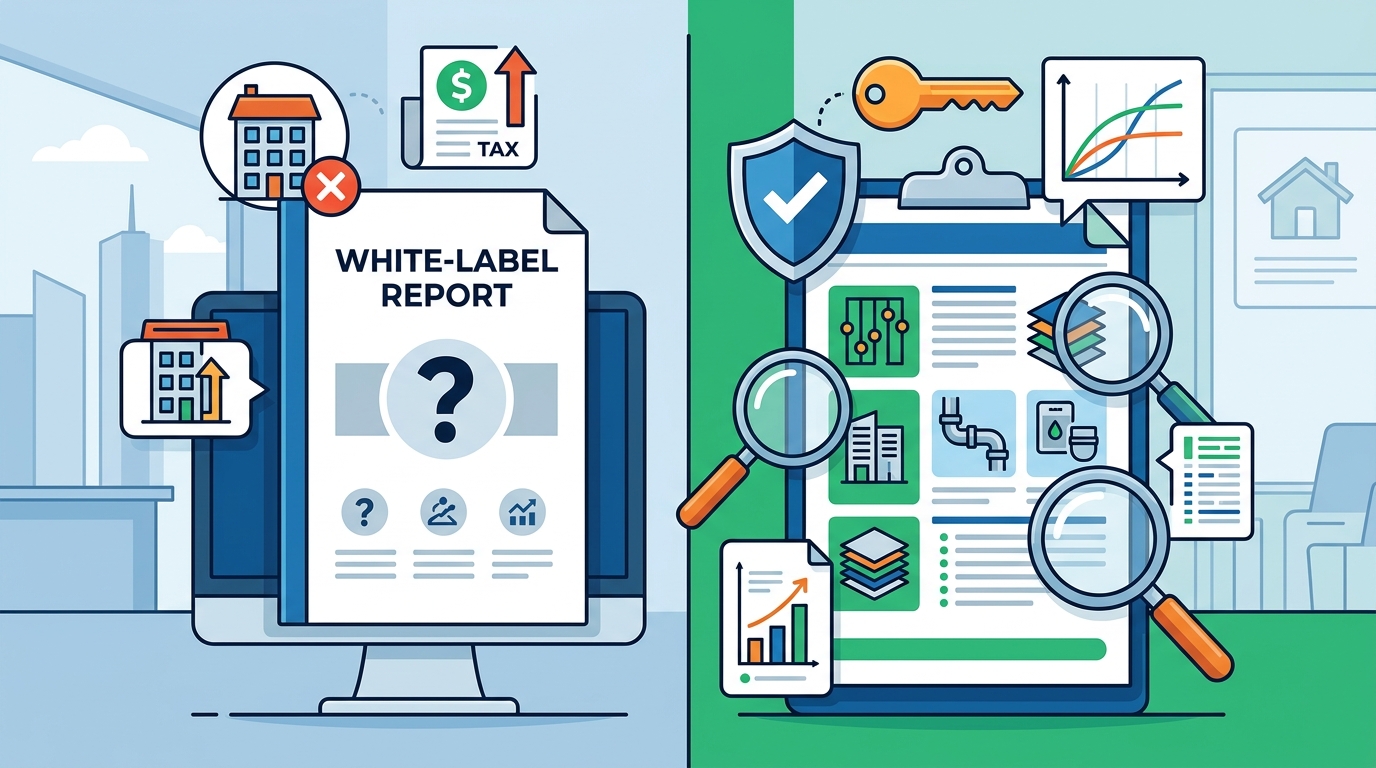
One of the most critical aspects of reselling cost segregation is ensuring audit readiness. The IRS frequently scrutinizes cost segregation studies, particularly those that claim aggressive depreciation schedules. Resellers must ensure that the reports they provide are defensible and well-documented.
This includes maintaining a comprehensive file of all supporting documents, such as construction invoices, blueprints, and engineering calculations. If an audit occurs, the ability to quickly produce this documentation can mean the difference between a favorable outcome and a costly penalty. IRS guidelines on cost segregation emphasize the importance of substantiating the classification of assets.
Furthermore, resellers should advise clients on the importance of retaining the original study and any subsequent updates. These documents serve as the foundation for future tax filings and must be kept in a secure, accessible location. Regular reviews of the depreciation schedule can also help identify any discrepancies early on.
Service Comparison Overview
| Feature | Standard Depreciation | White-Label Cost Segregation | Hybrid Approach |
|---|---|---|---|
| Depreciation Timeline | 27.5 to 39 years | 5 to 15 years for components | Mixed timeline |
| Upfront Cost | Low | High | Medium |
| Audit Risk | Low | Medium to High | Medium |
| Complexity | Low | High | Medium |
| Best For | Small portfolios | Large acquisitions | Mixed portfolios |
Key Takeaways
- White-label cost segregation allows you to offer specialized services under your own brand, but you retain full liability for accuracy.
- Technical deficiencies, such as misclassifying land improvements, can lead to audit failures and financial penalties.
- Proper client qualification is essential; not all properties benefit from accelerated depreciation strategies.
- Pricing should reflect the value of tax savings, not just the cost of the report, to avoid competing on price alone.
- Audit readiness requires comprehensive documentation and a clear understanding of IRS guidelines.
- Ongoing monitoring of tax laws and property changes is necessary to maintain the validity of the depreciation schedule.
- Partnering with a reputable provider like Rental Write Off ensures high-quality, defensible reports.
Frequently Asked Questions
What is the primary benefit of reselling white-label cost segregation?
The primary benefit is the ability to expand your service offerings and increase client retention by providing valuable tax-saving strategies without the overhead of hiring in-house experts.
How do I ensure the white-label report is audit-proof?
Ensure the report is based on a physical inspection or detailed construction documents, clearly distinguishes between asset classes, and includes a robust audit trail of supporting evidence.
Can I use cost segregation for residential rental properties?
Yes, residential rental properties are eligible for cost segregation, provided they are used for business or income-producing purposes and meet the specific criteria for component classification.
What happens if the IRS audits my client's cost segregation study?
If an audit occurs, you must be able to produce the original engineering study, construction invoices, and any correspondence with the provider. A well-documented study significantly increases the likelihood of a favorable outcome.
Is white-label cost segregation suitable for all real estate investors?
No, it is most beneficial for investors with substantial property portfolios or those who have recently acquired or constructed large commercial or residential buildings.
How often should a cost segregation study be updated?
A study should be updated whenever there are significant improvements, renovations, or acquisitions that affect the depreciable basis of the property.
What is the typical ROI for a cost segregation study?
The ROI varies based on the property size and tax bracket, but it often results in significant immediate tax savings that can offset the cost of the study within the first few years.
Start Optimizing Your Portfolio Today
Avoid the pitfalls of reselling white-label cost segregation by partnering with a trusted provider. Contact Rental Write Off to learn how our high-quality, audit-ready reports can help you deliver exceptional value to your clients while maintaining your professional integrity.