

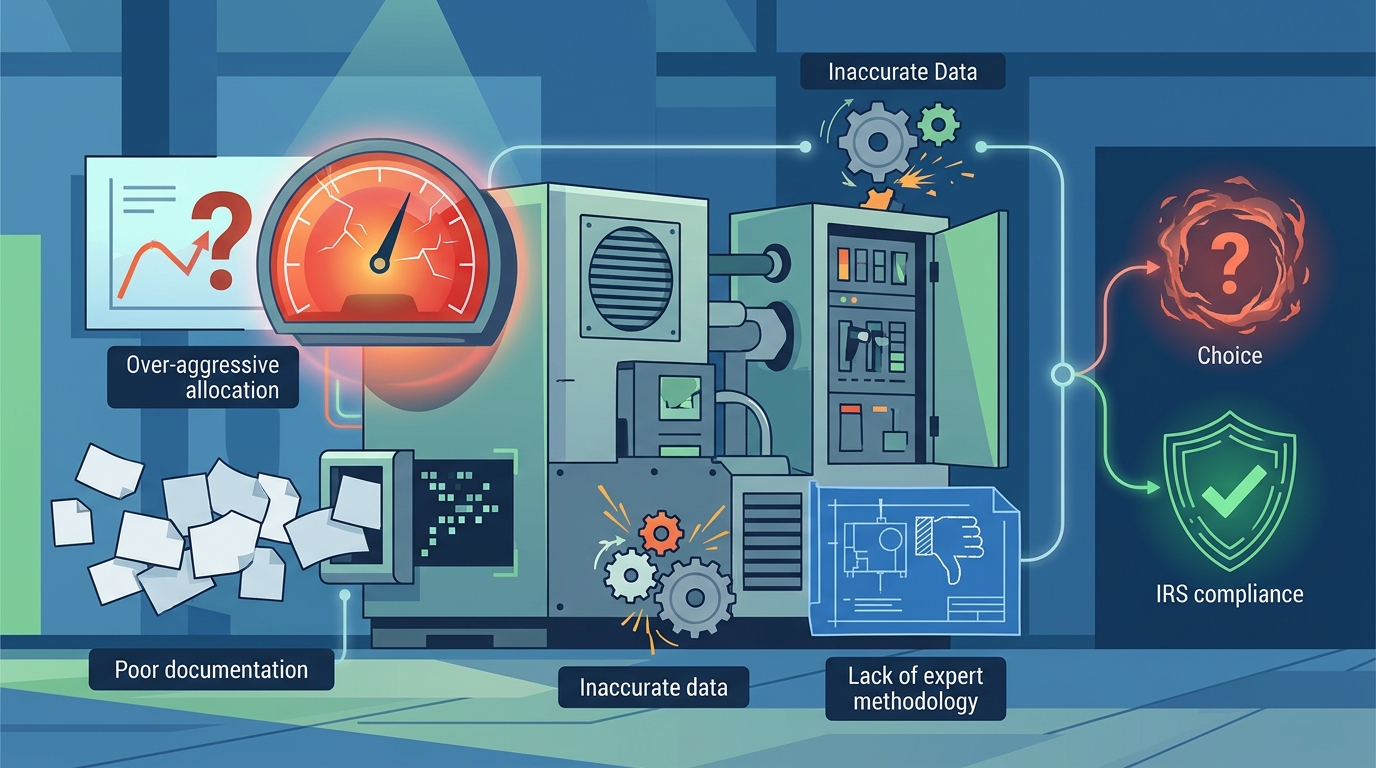
Choosing a cost segregation approach is not just about maximizing deductions; it is about ensuring those deductions survive IRS scrutiny. A study that accelerates depreciation but lacks robust documentation creates a significant audit risk that can outweigh the initial tax savings. RentalWriteOff focuses on creating IRS-compliant reports that stand up to examination by prioritizing methodology and evidence over aggressive allocation.
1. Methodology Alignment with IRS Guidelines
The study must explicitly follow the IRS Cost Segregation Audit Techniques Guide. The IRS uses specific criteria to evaluate the validity of a cost segregation study. If the methodology deviates from the established guidelines, the entire study may be rejected during an audit. RentalWriteOff aligns every report with the IRS Audit Techniques Guide to ensure the classification logic is defensible.
2. Quality of Asset Documentation
Every reclassified asset must be supported by clear, verifiable evidence. Vague descriptions or missing photos are common red flags for IRS examiners. A high-quality study includes an itemized list of assets with corresponding photographs and descriptions. This documentation proves that the assets exist and were part of the original purchase or capital improvements.
3. Expert Review and Quality Control
Independent expert review reduces the risk of classification errors. Automated tools or DIY approaches often lack a human check for accuracy. A professional review ensures that assets are not over-allocated to shorter recovery periods. RentalWriteOff includes a final quality check by cost segregation experts before any report is delivered to the client.
4. Reconciliation with Closing Statements
The study must reconcile perfectly with the purchase price and closing documents. Discrepancies between the total cost in the study and the actual closing statement can trigger an audit. The sum of all classified assets must equal the depreciable basis of the property. This reconciliation is a fundamental requirement for any IRS-compliant study.
5. Audit Support and Response Capability
The provider must offer support if the IRS questions the study. If an audit occurs, the taxpayer needs a professional to respond to inquiries from the taxing authority. Some providers deliver the report and disappear, leaving the client to defend the work alone. RentalWriteOff includes audit support, providing documentation and responding to reasonable inquiries regarding the methodology.
6. Use of Property-Specific Data
Generic templates based on ZIP code averages increase audit risk. The IRS expects a study to reflect the specific condition and components of the property in question. Using statistical averages rather than actual property data can lead to inaccurate allocations. A property-specific analysis uses photos and public records to identify the actual assets present in the building.
7. Compliance with Bonus Depreciation Rules
The study must correctly apply current bonus depreciation laws. Tax laws change, and the eligibility for 100% bonus depreciation depends on the acquisition date and property type. A study that incorrectly applies bonus depreciation to ineligible assets creates a compliance issue. RentalWriteOff provides applicability analysis in every report to ensure the correct tax rules are applied for the specific year and property.
When choosing a provider, prioritize those who demonstrate strict adherence to IRS guidelines and offer ongoing audit support. The cheapest study is not always the safest; a report that fails an audit can cost far more in penalties and lost deductions than the initial savings. For a detailed look at how these factors apply to specific property types, see our guide on cost segregation for short-term rentals.
Frequently Asked Questions
What is the biggest red flag for an IRS auditor?
The biggest red flag is a lack of documentation. If a study claims to reclassify assets but does not provide photos or detailed descriptions, the auditor will likely disallow the deductions. Every asset must be verifiable.
Does RentalWriteOff provide audit support?
Yes, audit support is included with every RentalWriteOff study. If the IRS inquires about the methodology or calculations, our team provides the supporting documentation and responds to reasonable inquiries.
Can I do a cost segregation study myself?
You can attempt a DIY study, but it carries higher audit risk. Without professional review and strict adherence to IRS guidelines, it is easy to make classification errors. A professional study provides a layer of quality control that DIY methods lack.
How long does it take to get a report?
RentalWriteOff delivers standard residential reports within two business days after complete intake. The process is fully remote, using photos and public records to analyze the property.
What happens if my study is audited?
If your study is audited, you will need to provide the documentation that supports the classifications. With RentalWriteOff, our team assists in responding to the IRS, ensuring that the methodology is explained clearly and accurately.
Is a site visit required for a cost segregation study?
No, a site visit is not required for residential properties. RentalWriteOff uses a remote process that relies on appraisal photos, rental listing images, and satellite imagery. This approach is efficient and produces the same level of detail as an on-site visit for most residential rentals. Learn more: About RentalWriteOff Cost Segregation.