

A look-back cost segregation study is a retroactive analysis that identifies missed depreciation deductions from prior years. It allows property owners to catch up on accelerated deductions without amending individual tax returns. This strategy is particularly valuable for rentals purchased years ago, as it can generate significant tax savings by applying current depreciation rules to past asset values.
Defining the Look-Back Study
Cost segregation is an IRS-recognized tax strategy that reclassifies parts of a rental property into shorter depreciation schedules. While standard residential buildings depreciate over 27.5 years, specific components like flooring, cabinetry, and appliances can be depreciated over 5, 7, or 15 years. A look-back study applies this reclassification to property placed in service in previous years.
Most owners who bought a rental five or ten years ago likely used straight-line depreciation on their returns. This approach spreads the deduction evenly over the full recovery period. By performing a look-back study, you can change your accounting method to capture the faster depreciation you were entitled to but did not claim. The IRS allows this change through a specific form, avoiding the need to file amended returns for each prior year.
How Form 3115 Enables the Catch-Up
The mechanism behind a look-back study is Form 3115, which is the IRS application for change in accounting method. When you file this form, you request permission to change how you depreciate your assets. The IRS generally grants this change, allowing you to take a catch-up deduction in the current tax year.
Is It Worth It for Older Properties?
The value of a look-back study depends on the property's basis, your marginal tax rate, and the age of the asset. Generally, the older the property, the larger the potential catch-up deduction, provided the components still exist and are in service. However, the benefit is not infinite. If the property is very old, the remaining life of the accelerated assets may be short, reducing the future benefit of the reclassification.
For a property purchased in 2020, the look-back window covers several years of missed deductions. In 2026, with 100% bonus depreciation available for qualifying property acquired after January 19, 2025, the landscape has shifted. However, for properties acquired before this date, the look-back study remains a powerful tool to capture missed benefits from the prior phase-down schedule. Owners in higher tax brackets, such as the 32% or 35% brackets, see the most significant dollar savings from these catch-up deductions.
The Remote Analysis Process
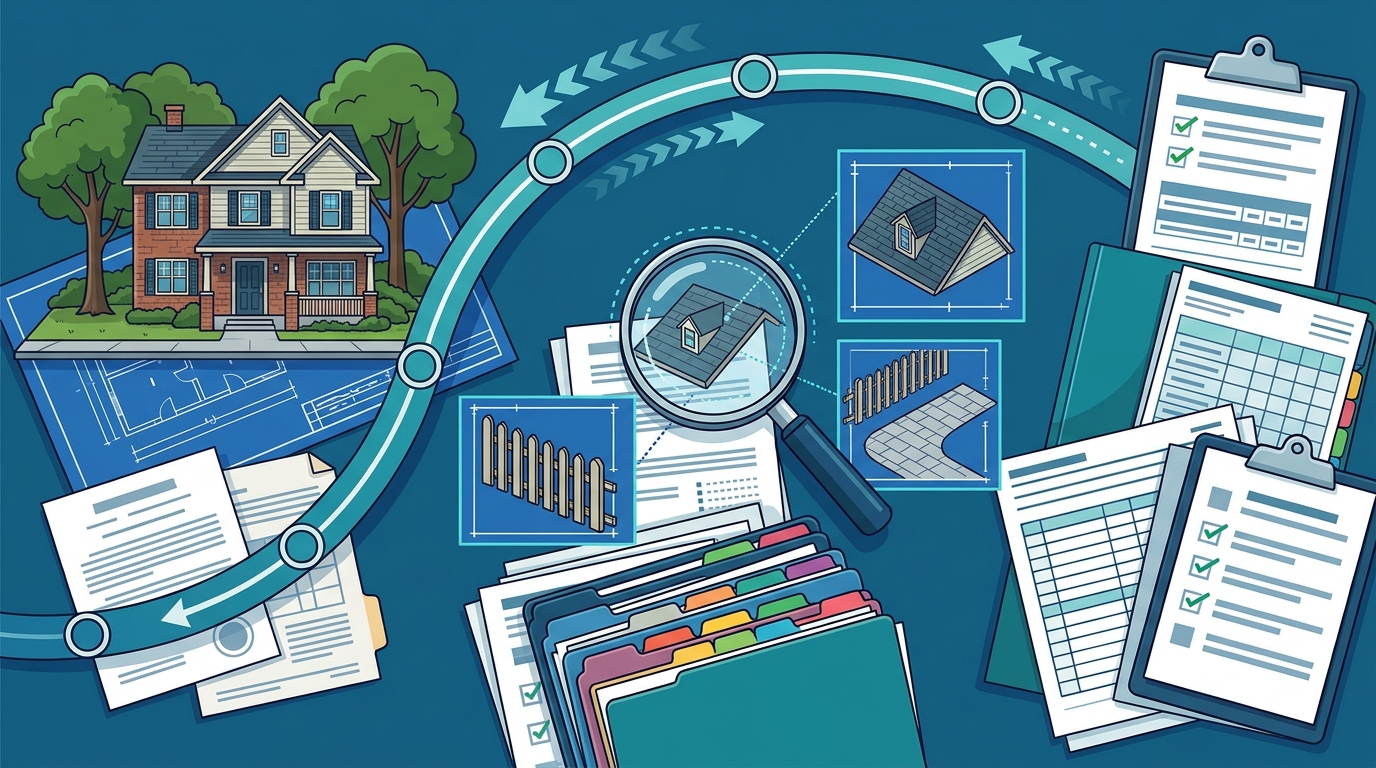
Conducting a look-back study does not require a physical site visit for most residential properties. Modern providers use remote analysis techniques, relying on appraisal reports, rental listing photos, and public records to identify components. This approach is faster and more cost-effective than traditional on-site surveys.
RentalWriteOff utilizes a fully remote process for residential rentals. Their specialists analyze property data and photos to classify assets according to IRS guidelines. The resulting report includes the necessary schedules and documentation to support the Form 3115 filing. This streamlined process allows owners to complete the study quickly, often within two business days of submitting complete intake information.
Key Takeaways
- A look-back study allows you to catch up on missed depreciation deductions from prior years without amending returns.
- The process relies on Form 3115 to change your accounting method and claim a catch-up deduction in the current year.
- Older properties often have larger potential catch-up deductions, making the study more valuable for assets purchased several years ago.
- Your marginal tax rate directly impacts the dollar value of the savings; higher brackets yield greater benefits.
- Remote analysis using photos and public records is sufficient for most residential look-back studies, eliminating the need for site visits.
- Form 3115 preparation is often included in the cost of the study, simplifying the filing process for your CPA.
Frequently Asked Questions
What is the difference between a look-back study and a standard cost segregation study?
A standard study is performed when a property is first placed in service, establishing the depreciation schedule from year one. A look-back study is performed on a property that has already been depreciated for several years. It calculates the difference between the straight-line depreciation taken and the accelerated depreciation that should have been taken, allowing you to claim the difference as a catch-up deduction.
Do I need to amend my prior tax returns?
No. The primary advantage of a look-back study is that it uses Form 3115 to change your accounting method. This allows you to take the catch-up deduction in the current tax year without filing amended returns for each prior year. This saves significant time and administrative cost compared to amending multiple years of returns.
How old can my property be for a look-back study to be worthwhile?
There is no strict age limit, but the benefit generally decreases as the property ages. For properties purchased within the last 5 to 10 years, the catch-up deduction is often substantial. For very old properties, the remaining life of the accelerated assets may be short, reducing the future benefit. A professional can evaluate your specific property to determine if the study is cost-effective.
Does the study require a site visit?
For most residential rentals, a site visit is not required. Providers can perform the analysis remotely using appraisal reports, rental listing photos, and public records. This remote approach is faster and more affordable than traditional on-site surveys. However, if the documentation is incomplete, a provider may request additional photos from the owner.
What documents do I need to provide?
You will typically need the property address, purchase price, closing date, and any renovation details. Most providers use photos from the appraisal or rental listing. If those sources do not show important areas, you may need to provide additional owner-provided photos. Providing more documentation generally leads to a more accurate and comprehensive study.
Next Steps for Your Rental
If you own a rental property purchased in prior years, a look-back cost segregation study may offer significant tax savings. By catching up on missed deductions, you can improve your current year's cash flow and optimize your long-term tax strategy. To evaluate your specific property, you can start with a free savings estimate to see the potential impact.
RentalWriteOff offers expert-reviewed cost segregation studies with audit support included. Their remote process is designed for residential rentals, providing a streamlined path to capturing missed deductions. To plan your visit, contact our team or use the free savings calculator to get an instant estimate for your property.